Snyder - Heating & Air Conditioning 

904-647-1975
3401 Southside Blvd
Jacksonville, FL 32246
Florida State License CAC1813307
Call: 888-476-2691 24/7 

Above all, we want you to enjoy your time at home and we know that your comfort plays a critical role in accomplishing that.

Troubleshooting tips

 
When you are living in a hot and humid climate like Florida, your summers are going to be horrible without an efficient air conditioner. Keeping your air conditioner serviced and at the peak of its performance is really important once summer is under way. However, if there are any issues, you might be better off having a look and troubleshooting before sending for the professionals. This can be a great help, especially at a time when their services are in such a huge demand.

Here are some tips for troubleshooting when your A/C is not working

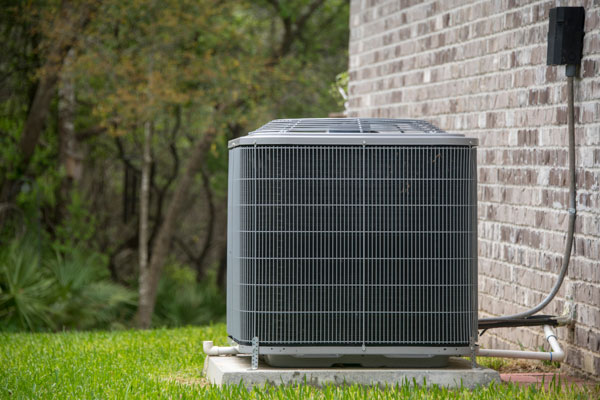
Condenser isn’t working – check if the power is still on; there might be blown fuses or tripped MCBs which are installed to protect your expensive air conditioning equipment during power surges. Check the thermostat and change the setting and see if the a/c starts working. If the above two check out, then the problem might be with your motor or your compressor and so you have to call the repair man.
Read more »

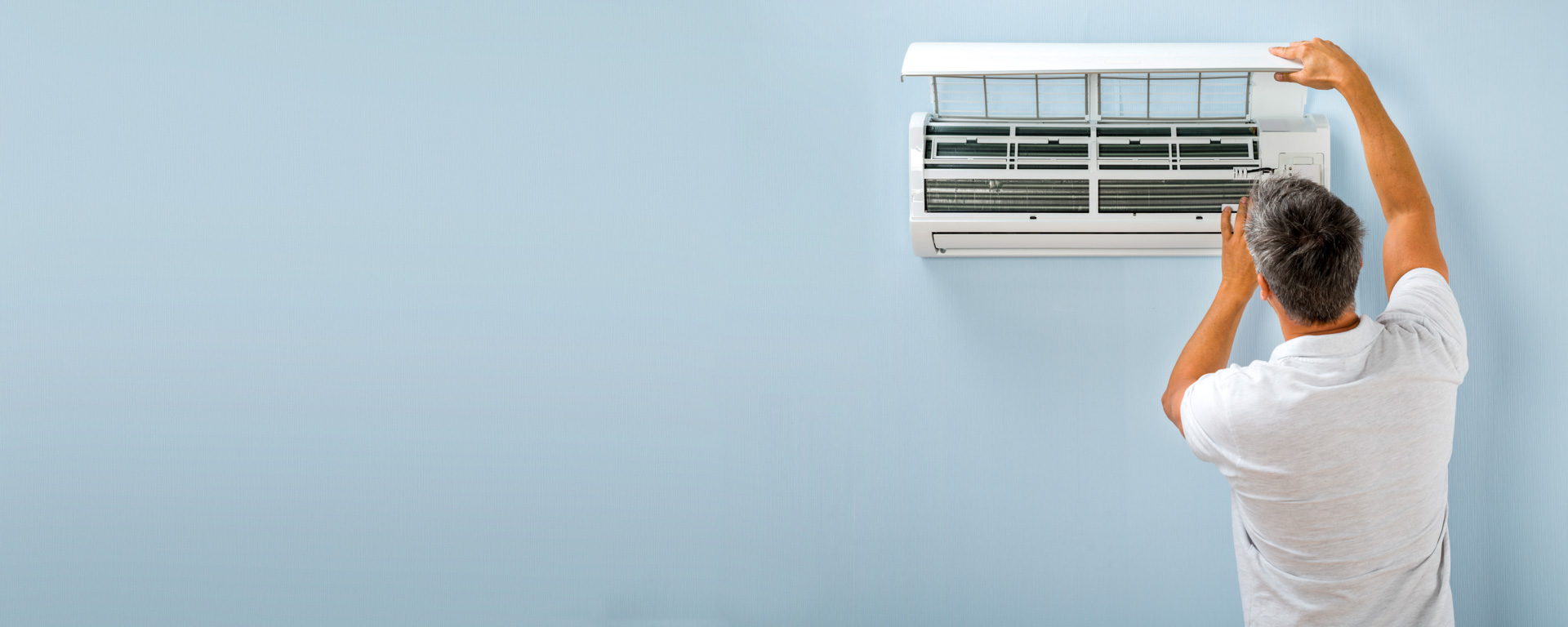
How Do I Check for a Dirty Evaporator Coil?

 
Almost all air conditioning units have an evaporator coil that serves the purpose of removing heat from the air that passes through the filters of the units and making the coolant liquid in the evaporator coils absorb the heat, thereby cooling the air. This is part of the fundamental working principle of any a/c system and thus it should be obvious that anything that causes the evaporator to malfunction would vastly hinder the proper operation of the device. The best way to deal with the issue is to contact a professional air conditioning and heating company like Snyder AC, Jacksonville, FL.

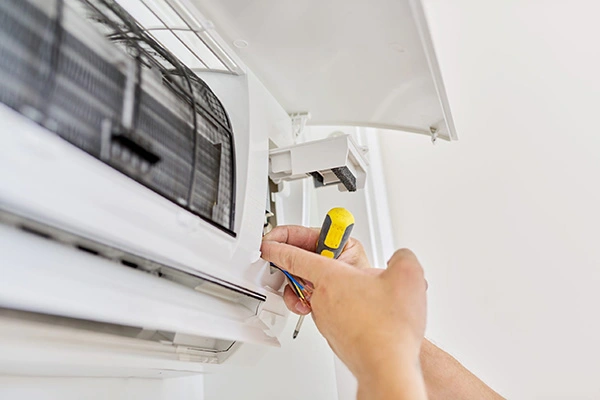
A dirty evaporator coil is not a simple thing to identify and tackle. This is because the evaporator is not a part that is open or easy to access – it is usually found deep within the bowels of the casing of the air conditioner unit. At the least, a few screws and maybe some plastic or metal casings will have to be removed to be able to reach the evaporator easily. It would be prudent to check the user or service manual of your product to correctly identify where the evaporator is and how to access it easily. Once the evaporator coil is identified and located, it is still not easy to identify if a dirty coil is the cause of the problem. Read more »

Air Conditioning Breakdowns in the Summer Months

During the summer, having your air conditioning break down is one of the most miserable experiences possible. Some of the breakdowns occur because of issues that you may be able to fix on your own. The thing to remember is that you should never go beyond your comfort zone when fixing HVAC equipment. The mechanical, electrical and other components in these systems sometimes require that a qualified technician takes a look at them, which can avoid making a bad situation worse, in many cases. Read more »

AC Unit Life Expectancy

 
Whether you have just had an air conditioning installation from your Jacksonville, FL contractor or you are getting some repairs on your existing heating or cooling units, you probably want to understand the expected lifespan on this costly equipment.
This is not something that can be answered easily because there are so many factors to consider. For example:
• What brand was installed? Some firms are known for making remarkably durable units, such as Trane AC, and some are not. The quality of the brand has a lot to do with anticipated life expectancies.
• How well was the machine maintained? Even a new unit, if treated badly by an owner, will fail faster than anticipated. For instance, if a machine is run constantly, installed in a way that is not ideal, and covered with debris that blocks air flow or clogs filters, it may fail a lot earlier than expected.
• Where is the unit installed? Geographic regions can also play a role in the life of a heating or cooling unit. If it is run constantly for a major part of the year it is going to sustain classic “wear and tear” that may shorten its lifespan.
• How easy is it to make repairs or to maintain? Some companies designed systems that are easy to maintain and for which replacement parts are readily available. Some manufacturers do not do this, and this can lead to problems. Read more »

Are All Air Filters Created Equal?


Indoor air quality is often quite poor. We may not realize that our chronic sinus headache or our ongoing respiratory trouble is due entirely to the terrible conditions within our home and sleeping areas. Fortunately, all kinds of air filters are available, and are even commonly included as part of our home air conditioning and heating units. Read more »

Why Is There Water Dripping from My Unit?

 
Anytime you see any leaking water emitting from the air-conditioning unit, you should never assume that it is operating properly. Many times, the leaking water from the HVAC system will indicate that some component inside the air conditioner has become broken, or is malfunctioning. The easiest way to avoid any potential repair bill is to take action once the problem has been discovered.

Leaking Condensation

Many times on scalding hot days the home’s air-conditioning unit will run on a continuous basis as a way to maintain a comfortable level of air temperature inside the house. This type of leaking is normal, and is a product of too much condensation being generated on the evaporator coil. One process of the evaporator coil is to automatically dehumidify all the air from the interior of the home. As the humidity is withdrawn, dryer cooler temperature air is pumped into the home. Read more »

What Signs Indicate It Is Time for a Service Call?

 
There are specific signs and can happen with your central air conditioning unit that can only be repaired using a competent, licensed heating and cooling technician. Usually, if there have been no problems with the HVAC system, routine maintenance is usually all that is necessary to keep it operating efficiently. However, many of the troubleshooting signs that indicate it is time for a service call from a licensed technician include:

No Cool Air – On hot days when the A/C system will not produce cool air, it is usually an indication that it is low on refrigerant, or requires cleaning. With regular preventative air-conditioning maintenance, low refrigerant can be avoided.

Will Not Run – Sometimes the circuit breakers trip or fuses break and instantly stop the function of the A/C unit. However, this may be a sign of something drastically wrong with the HVAC system. Other times, the problem can simply be a broken thermostat. If the circuit breaker has been tripped, reset it. If the unit turns off again, it is time to consult with a licensed HVAC professional. Read more »

What Is Covered in an Air Conditioning Warranty?

Having a new air conditioner installed is not an inexpensive home improvement. However, when the time comes, it is critical to understand exactly what is covered in an air conditioning warranty to ensure you are making a quality purchase that will help keep the interior air of your home comfortable year-round.

The Original Warranty

When purchasing an A/C system manufactured by a reputable company, it most likely is installed with an extensive warranty. The manufacturers of most air-conditioning and heating units will provide coverage on the A/C compressor, and associated parts of the unit’s critical high-quality equipment, for upwards of 10 years with additional two years coverage on labor. Your licensed, A/C installer will sometimes offer an extended warranty on their labor.

The Coverage

It is always important to fully comprehend the warranty before ever purchasing a new central air conditioner. Offered warranties between manufacturers can vary greatly. Most likely, reputable manufacturers offer warranties that cover certain parts of the A/C unit for one specific timeframe, and other parts on a different length of time. Read more »

What Does a Thermostat Do?

 
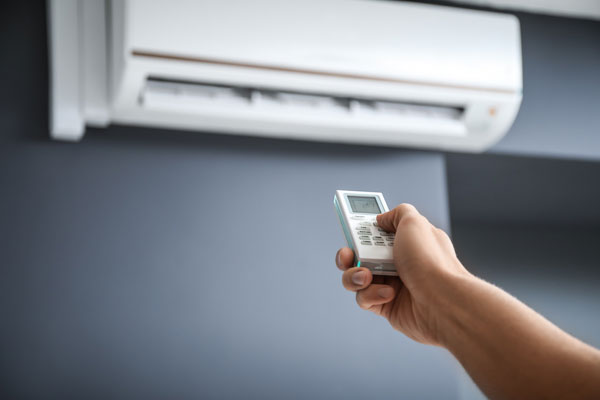
Built as a temperature-sensitive switch, a thermostat for the home will automatically turn the air conditioning and heating system on and off to maintain a level of quality air in the home’s interior. The functionality of the thermostat varies between units. Some thermostats are highly sophisticated with fully programmable adjustments that create high-efficiency operation and complete functionality. Other manual thermostat units simply turn the A/C unit on and off at a single pre-set temperature.

Selecting the Best Thermostat

Selecting the best thermostat for your home can be simplified by determining the type of HVAC system you have installed in the house. Single stage heating and cooling systems will have an air conditioner with an installed furnace that runs on gas or electric. Other available HVAC systems include heat pumps (with or without a pre-installed heat strip), and a line voltage heating system (radiant heat, electric baseboards). Establishing the type of HVAC unit or heating system you have installed in your home will help determine the best choice of thermostat to meet the requirements of your specific unit. Read more »

Learn 5 Ways to Save Money on Air Conditioning

 
With the high cost of keeping a home cool, and the non-ending heat waves that continue to make their way across the United States, many families are finding ways to increase the energy efficiency of their air-conditioning unit. The following five tips can help reduce the sizable amount of electricity used to run an air conditioner throughout the heat of the seemingly-endless summer. They include:

Adjusting Your Thermostat – Typically, families can remain comfortable during hot summer days when the indoor temperature is at 78°F. However, at nighttime, or when no one is at home, the temperature can be set slightly warmer. This one simple adjustment can help generate a 15% savings on monthly utility bills while still allowing the family to remain cool while at home. Read more »